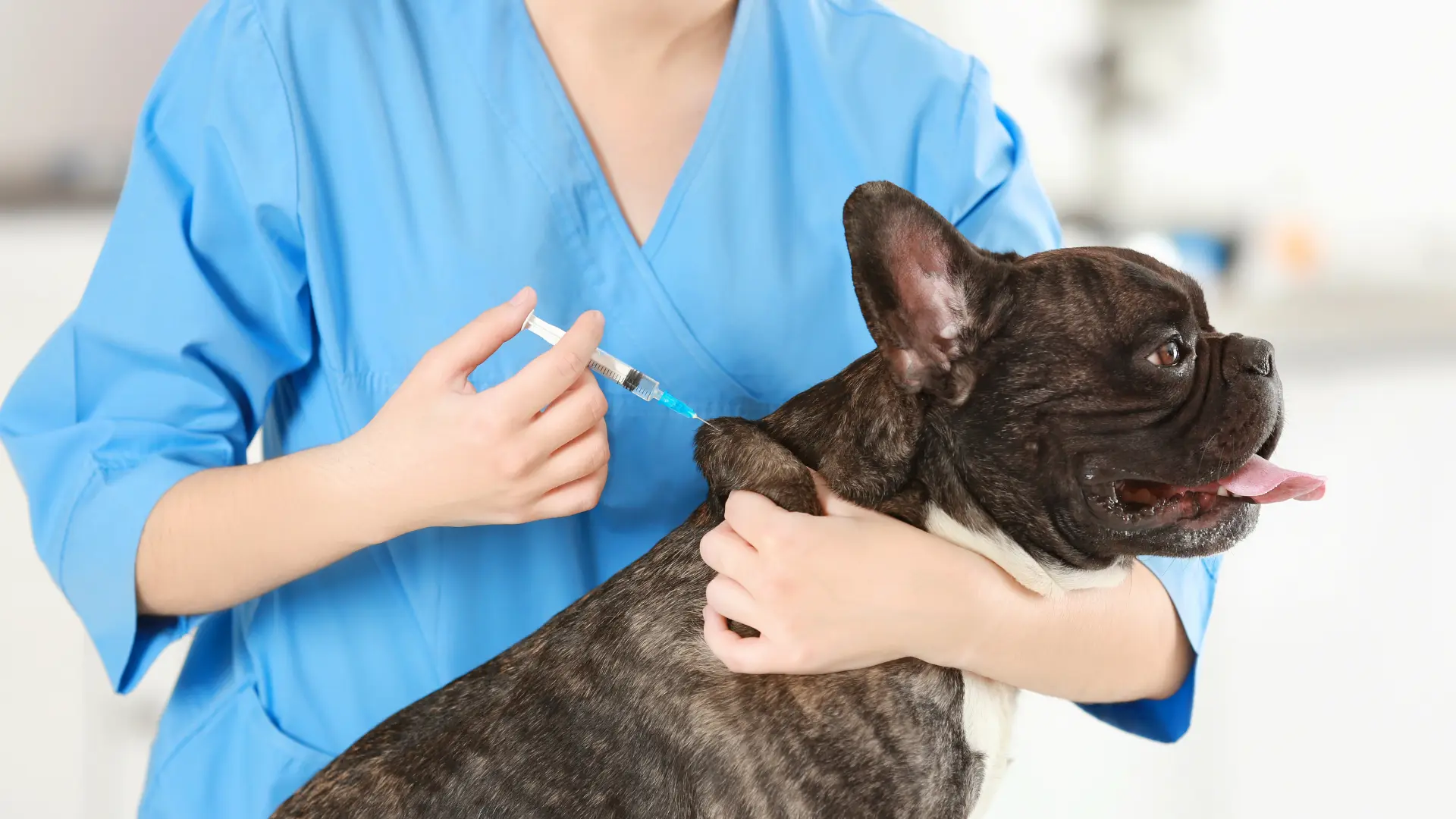
The Quick Answer
- How many vaccinations do puppies need? Three, as part of a puppy series of shots.
- When? Usually at 6–8, 10–12 and 14–16 weeks of age, spaced 2–4 weeks apart.
- When can they go outside? At least 10 days after their final vaccination, once full immunity has developed.
- What next? Lifelong booster shots to keep that protection strong.
Why Your Puppy Needs a Full Vaccination Regime
Puppies are born with some protection from their mother’s milk, but it fades over their first few months. A complete puppy vaccination regime builds their own immunity before that maternal protection runs out. Missing or delaying a dose can leave a gap when they’re most vulnerable.
What is the C3 vaccination?
The C3 vaccination is the core vaccine every Australian puppy should receive. It protects against three serious, often fatal diseases:
| Disease | What it does |
|---|---|
| Canine parvovirus | Severe vomiting and bloody diarrhoea; spreads easily through soil and contaminated surfaces |
| Canine distemper | Affects the lungs, gut and nervous system |
| Infectious canine hepatitis | Damages the liver, kidneys and eyes |
What about C5 and other vaccines?
A C5 adds protection against two common causes of canine cough (kennel cough): parainfluenza and Bordetella bronchiseptica. Depending on your puppy’s lifestyle, we may also discuss leptospirosis.

Your Puppy Immunization Chart
Here’s the typical puppy shots timeline we follow. Your vet may adjust it slightly based on your puppy’s age, health and the vaccine brand used.
| Age | Vaccination | What it covers | Can my puppy go outside? |
|---|---|---|---|
| 6–8 weeks | 1st vaccination | C3 (parvovirus, distemper, hepatitis) | No – home and garden only |
| 10–12 weeks | 2nd vaccination | C3 or C5 (adds canine cough) | No – puppy school with vaccinated puppies only, if your vet agrees |
| 14–16 weeks | 3rd and final vaccination | C3 or C5 | Not yet – wait for immunity to develop |
| 10+ days after final shot | Full immunity | – | Yes – walks, parks and new dogs |
| 12 months, then ongoing | Booster | C3/C5 and canine cough | Yes |
*Please note that doses are usually given 2–4 weeks apart. Keep your vaccination certificate handy, you’ll need it for the potential of puppy school, boarding and grooming.
Step-by-step: Following Your Puppy Series of Shots
We know that a dog vaccination can feel overwhelming to navigate as a first time furry parent. That’s why it’s important to be informed of how to keep your puppy safe, comfortable and happy during this growing period.
See how below:
Step 1: Check Your Puppy’s Records
Ask your breeder or shelter for any vaccination certificate. Many puppies have their first C3 before coming home, so knowing the date keeps the puppy vaccination schedule on track.
Step 2: Book a Puppy Health Check
See your vet within the first week. At Bayside Vets, your puppy’s first vet consultation includes a nose-to-tail exam, a plan for the remaining vaccinations, and time for all your questions.
Step 3: Stay On Schedule
Book each appointment before you leave the clinic. If a gap stretches beyond 4 weeks, your puppy may need an extra dose.

Step 4: Monitor for Mild Reactions
It’s normal for your puppy to be a little sleepy or have a sore spot for a day.
Call us straight away if you notice:
- Facial swelling or hives
- Repeated vomiting or diarrhoea
- Difficulty breathing or collapse
Step 5: Count Down to Full Immunity
Mark the date 10 days after the final vaccination on your calendar. That’s the day your puppy is ready to explore the world.
Keeping Your Puppy Safe Before Full Immunity
We know it’s tempting to show off your new family member. But parvovirus can survive in soil for months, so your puppy shouldn’t go outside in public areas until at least 10 days after their final vaccination.
Your Pre-immunity Safety Checklist
- Keep your puppy off footpaths, parks and beaches
- Carry them in your arms for vet visits
- Only let them meet healthy, fully vaccinated dogs you know
- Ask visitors to wash their hands and remove shoes
- Choose a puppy school that requires a first vaccination
Why Socialisation Still Matters
The first 16 weeks are a key window for socialisation. You can still safely introduce your puppy to new sounds, surfaces, people and car rides at home. A calm, confident puppy grows into a happier adult dog.
Your Puppy Booster Shot Schedule vs Adult Dog Shot Schedule
Immunity doesn’t last forever. Your puppy booster shot schedule starts with a booster at around 12 months of age. After that, a typical dog shot schedule looks like this:
- Canine cough: every year
- C3 core vaccine: every 1–3 years, depending on the vaccine and your dog’s needs
- Annual health check: every year, timed with boosters
Give Your Puppy the Best Start with Bayside Vets
At Bayside Vets, we see every puppy as a lifelong patient, and every owner as part of the team. Our goal is simple: a healthy, happy dog who enjoys a long and full life by your side. Vaccinations are just the beginning.
For all your puppy care needs, book a consultation and our caring team will guide you through every step in detail.
FAQS
Most puppies need three vaccinations, given 2–4 weeks apart between 6 and 16 weeks of age, followed by a booster at 12 months.
Wait at least 10 days after the final vaccination. This gives your puppy’s immune system time to build full protection.
Don’t panic. Contact your vet as soon as possible. Your puppy may need an extra dose to complete the puppy vaccination regime.
The C3 covers the core diseases. Most Australian vets also recommend canine cough protection (C5), especially for dogs that visit parks, groomers or boarding kennels.